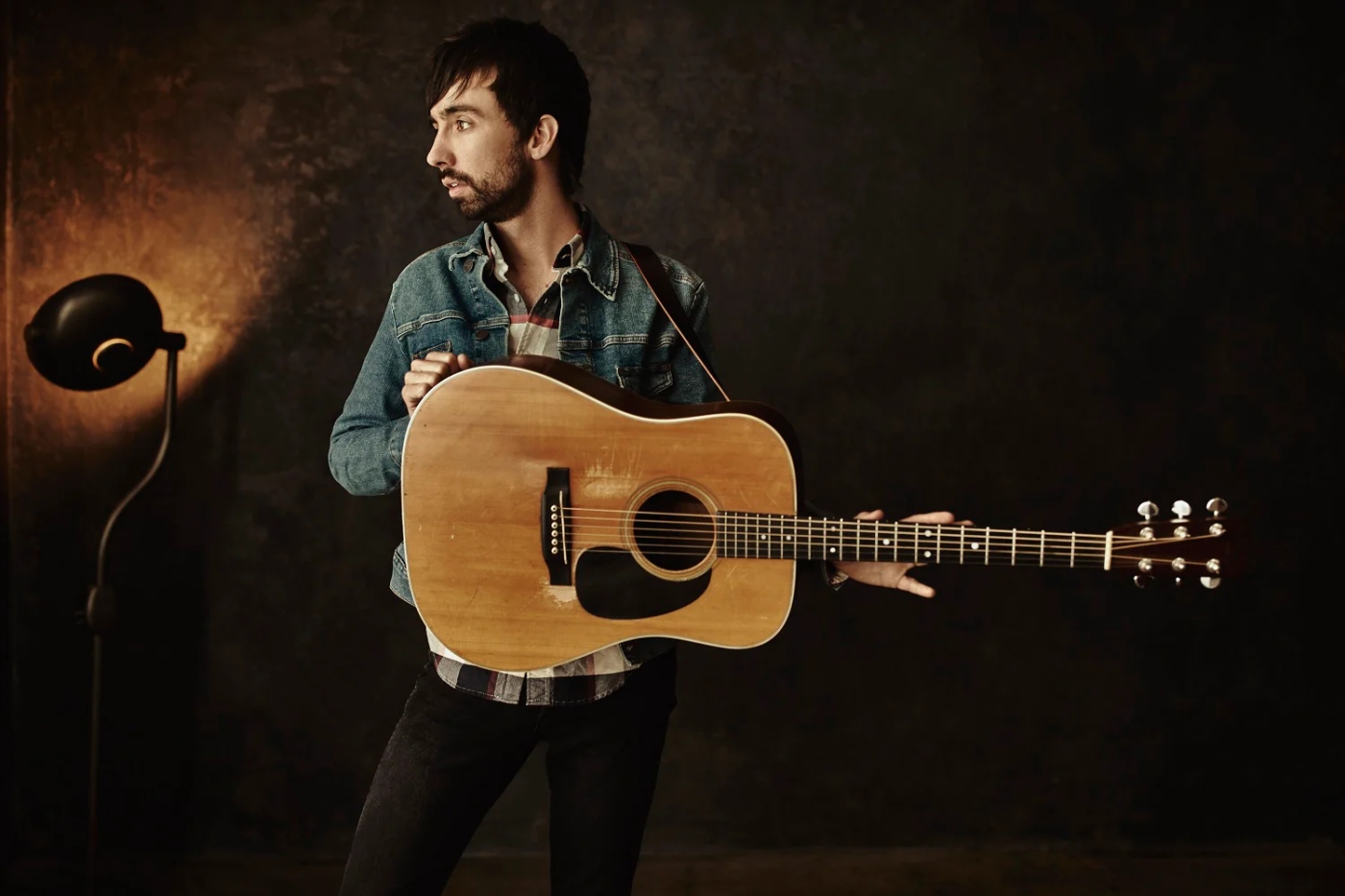
If you had asked Mo Pitney over a decade ago, he would have admitted being content as a part-time musician on the weekends with a nine-to-five job during the week.
That wasn’t the life God had planned for the Illinois native, though.
Before he could legally drink, Pitney moved more than 500 miles away from home to pursue his musical dreams in Nashville.
Soon after he got to Town, he earned a record deal, and soon after that, he had a single, “Country,” on the radio.
In the decade since introducing himself with “Country,” Pitney has two rock-solid albums to his name, he’s earned the respect of countless traditional country music legends, and most recently, added a new branch to his musical tree, a bluegrass single, “That Sounds Lonesome,” with longtime friend and collaborator, John Meyer, under the name Pitney Meyer.
Before all of that, though, Pitney was falling in love with the bluegrass music his father introduced him to from an early age.
“From my earliest days, I was steeped in that sound,” says Pitney. “There was something to it that called to me. I noticed how much that music moved my dad. We’d drive around listening to Jimmy Martin, Del McCoury and all of the old time singers. It struck a chord with me and made me fall in love with that music.”
Pitney’s love of music grew deeper when he started playing the drums at just six years-old, and the guitar about half a decade later.
“There’s a long line of music on both sides of my family, so one way or another, whether I made it my career or not, music was going to be involved in my life,” says Pitney. “I was always moved by different types of rhythm, whether it was rhythm guitar in bluegrass or the great drummers in country music.”
As he honed his musical chops, Pitney began performing at bluegrass festivals in his pre-teen years, which brought the inkling that music may be something he could pursue deeper.
“You’d go to these festivals, and there was an opportunity to get up and play,” says Pitney. “Somebody would ask me to play the banjo or to play lead and sing. That got the wheels turning about being able to do it on a larger scale.”
At just 20 years-old, those wheels got turning to Nashville, Tennessee in pursuit of his musical dreams, though he admits early trepidations during his move.
“The move was really tough for me. In part, I moved to Nashville kicking and screaming,” says Pitney. “I never wanted to move away from my hometown, but opportunities were starting to open up, and I had to walk through the doors.”
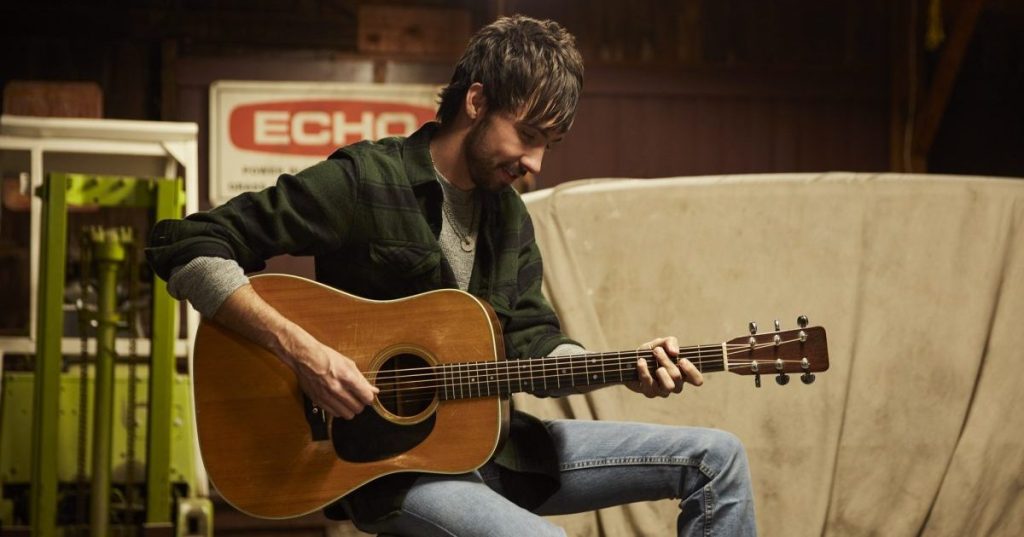
After just a few weeks in Nashville, Pitney earned a record deal that, although it fell through, saw him bypass many of the typical benchmarks for musicians new to Nashville.
“Within a couple weeks, Universal offered me a record deal, which is pretty unheard of. Usually, people have to run through all the ropes of Broadway and put together different pieces of the puzzle. I kind of just showed up and things started happening,” says Pitney. “By the time I’d finished a ten-song demo for them, Universal and Capitol had merged. They dropped a bunch of people, and it didn’t make sense to add a new person while they were dropping people, and I got lost in that shuffle.”
Though that deal fell apart as quickly as it came, Pitney wouldn’t be without a label home for long.
“I was able to use what I had recorded to shop around to other labels. I had a meeting with Curb Records and shared the recordings with them. I’m thankful those recordings never saw the light of day, but I’m also thankful they landed me another opportunity to record,” Pitney says with a laugh. “That started the conversation of what life would look like at Curb and I got started on a journey with them.”
Soon after the ink on his recording contract dried, Pitney was debuting at the Grand Ole Opry and receiving a standing ovation.
“When I stepped up to the microphone and started to sing, the crowd received me in a way that I can’t describe. There was an amazing reaction,” says Pitney. “I was singing a song that really mattered to me; an old country ballad that I imagine reminisces some of the heartbreak ballads that have been played there in the past. People’s first time at the Opry could be a bad memory, an okay memory or an amazing memory, and mine was an amazing one.”
Before 2014 came to an end, the milestones kept rolling in with the release of Pitney’s debut single, “Country,” written with legendary songsmiths Bill Anderson and Bobby Tomberlin.
“When I moved to town, I wasn’t a writer. I was afraid to record my own thoughts. I started having just enough confidence that God had given me something to say, so I went from sitting in rooms and watching people write songs to actually participating in writing them,” says Pitney. “I started writing with Bobby Tomberlin, and Bobby invited Bill. ‘Country’ was one of the first songs where I felt like I really started to share my own thoughts, phrasing and melodies. The fact that that was the song that got our journey started with music was amazing, especially coming from a kid that thought I’d only record other peoples’ music.”
That song soon made its way from the writing room to the radio, giving Pitney the opportunity to hear himself coming over the airwaves for the first time.
“I feel like I was a little bit robbed of being surprised the very first time hearing it on the radio. I went to a radio station on my radio tour and asked them when the next time they were going to play it was, and they said ‘actually, we’re gonna be playing it in 15 minutes! You better go down and sit in your car and listen!’ We went down, turned it on, and ‘Country’ came on. It felt a little underwhelming, only because we knew it was coming,” Pitney says with a laugh. “The real first time where it came on randomly out of the blue was a special moment. It’s hard to describe; you hear it, and you find yourself singing along with the song. You hear the melody going on in the background, and then you wake up and realize ‘oh wait, that’s me!’ It was a really fun feeling.”
Pitney soon found himself in the studio with A-list producer Tony Brown and a host of the most respected studio musicians in Nashville to record his debut album, Behind This Guitar.
“I’m a musician-forward person. I’d been a fan of all of those session players the same way I’d been a fan of the greatest singers and songwriters in Nashville. Making a record with them was unbelievable,” says Pitney. “Tony Brown was the first producer that encouraged me to play acoustic on my albums. The ability to play on my own record with those guys was a dream come true. I was a part of the band and was able to share my heart through my guitar playing.”
While recording the album, though, Pitney admits a level of fear about living up to the lofty expectations placed on him with the album, which were put at ease after rediscovering his faith.
“I put a tremendous amount of pressure on myself to live up to expectations and to reach a bar. I had very little grace for myself. It felt like the stakes were very high; I had moved to Nashville, had an incredible opportunity with Curb Records putting all this money into making this record, and it really mattered that I did well. All of that was really crushing, “says Pitney. “Halfway through the album, I had a radical conversion to Jesus. It allowed me to take the weight that was on my shoulders and place it on His. Having that burden lifted off my shoulders allowed me to more freely write and record songs without feeling the pressure that the business and town can put on you. It allowed me to sing like a bird.”
After Behind This Guitar, Pitney took time to hone in on his true artistic identity before returning to the studio to record his sophomore album, Ain’t Looking Back, with producer Jim “Moose” Brown.
“There was a subconscious pressure from everything going on around me to be more progressive. Ain’t Looking Back was a step away from the need to have synth sounds and drum loops and a step towards having the heartfelt, pure sound that I grew up on. We recorded that record in Goodlettsville. The first album was made in Town, and the second one was made about 30 minutes outside of Town. It was like leaving the city and its way of doing things and not looking back on that, so to speak,” says Pitney. “Moose and I brought up artists like James Taylor, where the center piece of the record was the singer and the guitar playing. Moose built the band around me and my guitar playing. That unlocked a world to me that I didn’t know existed. We had moments when we were recording where we were amazed at what came about. I’m very grateful for that.”
Though things were relatively quiet from Pitney for a few years after Ain’t Looking Back, 2024 brought about news of new music and a new duo, Pitney Meyer with longtime friend John Meyer, and a new bluegrass album set for release in 2025.
“Throughout my whole journey, I have been having bluegrass jams at my house in order to keep that kindling fire burning. They were always with John. We would do a pizza or soup night and sit on the porch and pick until midnight. There were videos that went out on YouTube of us playing,” says Pitney. “John had a residency at The Station Inn, and I started showing up and playing bluegrass with him. People would always ask us when we were going to make an album. We would be in the middle of rehearsal, and the chorus of a song would drop in and we’d start writing it while we were sitting there. Within four to six months, we had an album written. It snuck up on us. All of a sudden, we needed to figure out how to release it.”
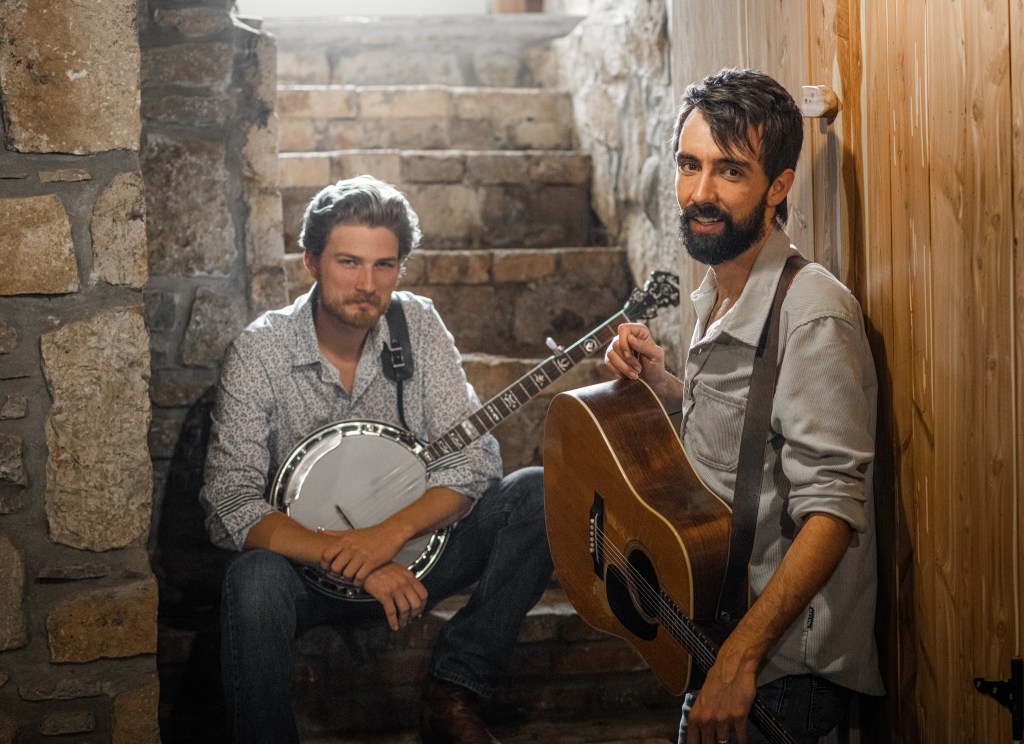
From the beginning of their new venture, the duo was hands-on with every step of the process, going as far as building a studio in a cabin formerly owned by Johnny Cash and co-producing their album, Cherokee Pioneer.
“Up to this point, I hadn’t produced anything of my own. We were involved pretty heavily. I literally wheeled the tape machine in on my dolly,” says Pitney. “To be involved in that role the whole way through was the next step in my progression of life. We were involved in every piece of the puzzle, and it added a level of care and enjoyment in each part of the process.”
The pair recently offered the first taste of Cherokee Pioneer with “That Sounds Lonesome,” which Pitney says is the start of a greater story that will be heard on the album.
“This song is us saying ‘hey, we’re playing this music,’ and the next songs move from a celebration of the sorrow and lonesomeness that bluegrass has always done so well to a redemptive trail to Jesus,” says Pitney. “It does that through the perspective of a Cherokee man and a pioneer man walking through America’s history and finding redemption at the end of the trail. This felt like a great way to get the trail and journey started.”
In making this project, Pitney is relieved to reconnect with his bluegrass roots and the sounds that made him fall in love with music in his early years.
“I moved to Nashville feeling like I had to hit the delete button on old timey bluegrass music, and now I feel like I’m remembering why I fell in love with music and reintroducing myself to the town,” says Pitney. “With that being said, I’m telling everyone that this project is a branch on a tree, not a new chapter of my life. I’m always going to have more singer/songwriter music and country music, but I’ll always have a branch, that’s always growing, to go to bluegrass festivals. It’s really going to satisfy a part of my heart that’s been lacking for a long time.”
Now, ten years removed from “Country” and a bright trail ahead of him, Pitney says his outlook has shifted and has allowed him to enjoy making music more than he ever has.
“The thing that has changed the most in my life is thinking about music as a garden and not a machine. When I moved to Town, I felt the need to write five songs a week. In that, I did a lot of things that didn’t come as a natural extension of my heart,” says Pitney. “Something that has happened over the last 10 years is taking that pressure off and letting songs show up when they’re going to show up, like tomatoes on a vine. The amount of songs that I’m writing has dwindled, but the amount of songs that I write and really care about is a much higher percentage.”
With Cherokee Pioneer on the horizon, Pitney says he has a slate of music he’s planning to release in the coming years.
“I’ve got a whole sack of songs for a singer/songwriter album, which is going to feel like it falls somewhere between my first two albums and this bluegrass album. It will have a lot of the rootsyness of the things I learned recording this album in it,” says Pitney. “I have another concept album that’s in my heart that I want to make with my wife, too. We’ve written some songs, and there are some gospel songs that Emily and I like to sing. I’m wanting to make an album where her and I are describing our love and how the gospel intertwines and keeps our life and heartbeat going, and doing that in a country-meets-folk-meets-banjo kind of way. I’m not sure which one I want to make first, but I have both of those albums in my heart, and I’m waiting for the green light from the Holy Spirit to get moving on one of them.”
*Additional note: Learn more about Mo’s ministry, Rahab House, on their website. Rahab House is deeply committed to the rescue, refuge and restoration of human trafficking survivors.
 Pro Country
Love Mo Pitney
LikeLike
I will never forget Ray price and Don’t you ever get tired of hurtin me and I’ll never ever forget the night I heard you singing it. I think you are a fantastic singer and in you flight remember country old time country gave you and your wife a good start on your dream . Keep it up. Don’t forget us.
LikeLike