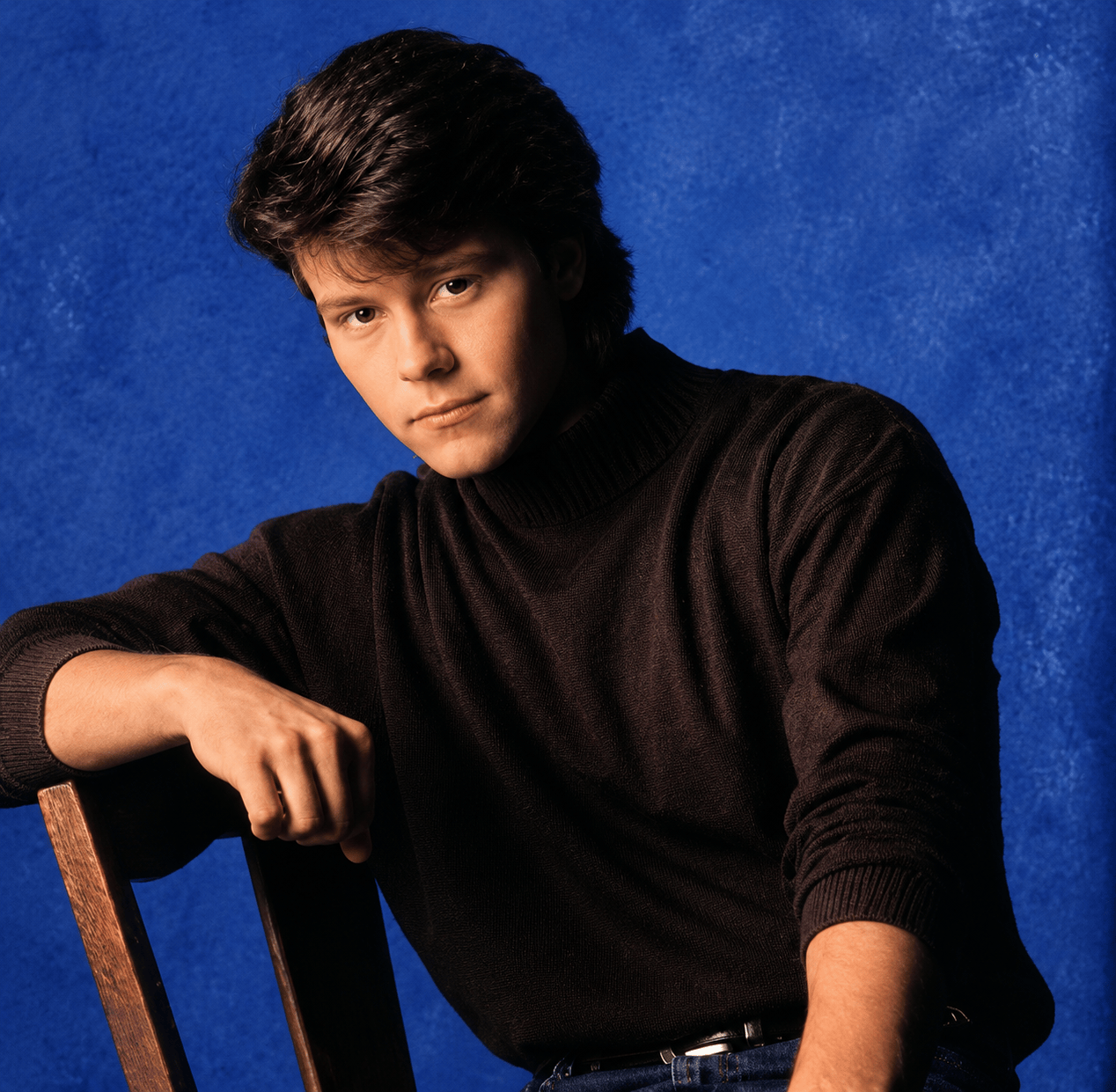
When music is in your blood, it never fully goes away.
Even when Dude Mowrey stepped away from music, it wasn’t intended to be a permanent closing of that chapter of his life. He will admit, though, that he was gone longer than he anticipated.
With rumors of a comeback swirling for nearly two decades, Mowrey is poised to make them come true in the coming year.
Thirty-plus years after the release of his last album, Mowrey has new music in the pipeline and aspirations to return to the stage; a place he has felt most comfortable for most of his life.
Before the record deals, tours and albums, though, Daniel Mowrey earned a nickname from his brother that stuck like glue.
“I had a couple older brothers and sisters. When I was six months old in a high chair, my brother, Jeff, used to call me ‘Bubba Dude.’ Then, all of a sudden, it was just ‘Dude,’” says Mowrey. “Somehow, it stuck. My family, friends and teachers all had a hard time with it until they realized that’s what everybody called me.”
With his nickname in tow, Mowrey’s father gifted him a guitar, where he played along with classic country greats.
“When I was five or six years-old, my dad put a guitar in my hands. He was a diehard Hank Williams, Webb Pierce and George Jones fan. I loved singing and playing along with those three-chord songs,” says Mowrey. “One time, my dad took me to the bank. He sat me down in the lobby and told me to sit there while he went to a meeting. While he was there, the president of the bank asked, ‘what’s that noise?’ They looked in the lobby, and I was standing in the center of the lobby of the bank, with an audience around me, singing ‘Rhinestone Cowboy!’”
Though Mowrey’s father attempted to steer each of his children towards music, Dude was the only one to cling to it.
“My dad loved music, so he tried to get everyone in the family to play and sing, but nobody had any interest in it. As soon as he put that guitar in my hands and I rung a couple chords, I had a desire for it,” says Mowrey. “My friends would all go out and play after school, but in kindergarten, I was in my living room with a Hank Williams book and a guitar. I couldn’t put the guitar down.”
Mowrey took that guitar to several stages, and eventually, to the recording studio in his pre-teen years.
“From the time I was seven years-old until ten years-old, my dad would take me to local dinner clubs. He’d introduce me to the musicians, and I’d sit in on stage. I started getting comfortable playing with bands,” says Mowrey. “By the time I was 12, we ran into a fella in Ocala that had been in the music business many years prior who knew all the A-Team players. We put together an all-star recording session. My dad knew just enough people to get me in the front door at Tree International. They played us a few songs. They pitched me a Harlan Howard song called ‘Hello Houston.’ We did a full-blown session at Woodland Studios in Nashville. We printed up some records and got a little bit of radio play. That was my first major recording experience.”
Countless subsequent Nashville trips saw Mowrey fall in love with Music City.
“My dad bought a van for me, my mom and him to go up to Nashville. We bought Fan Fair tickets and went to the Fairgrounds. We saw all the big stars: Alabama, Charley Pride, Ronnie Milsap; all the people I grew up loving,” says Mowrey. “My dad took me down to Tootsies, and danged if they didn’t get me up on stage. I sang my heart out!”
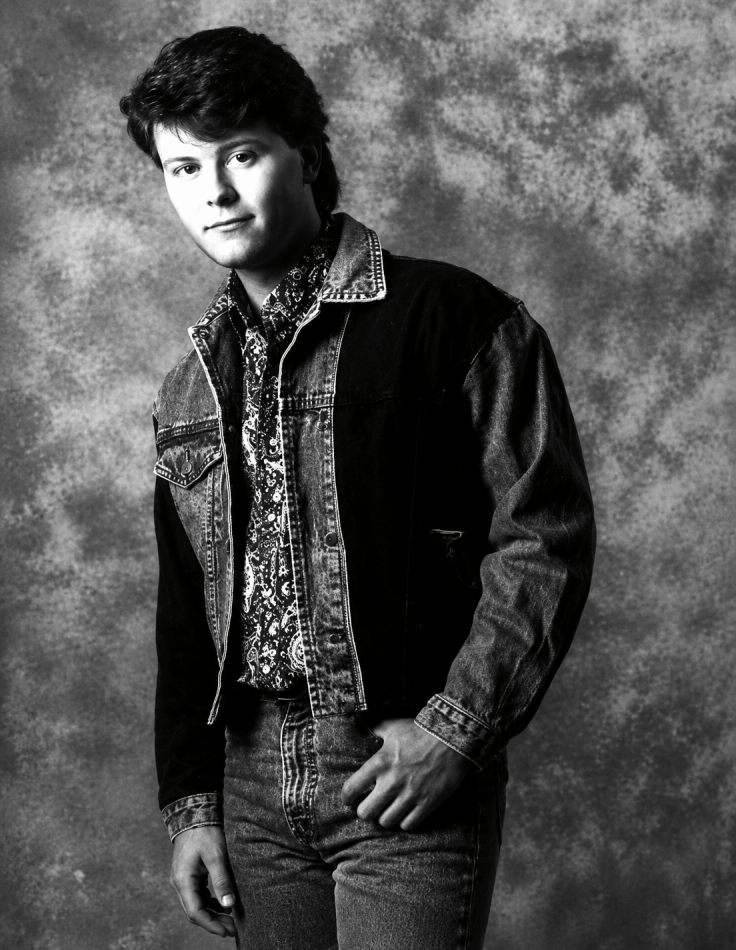
Mowrey continued singing his heart out on stages across The Sunshine State before heading back into the studio, and eventually, back to Nashville.
“I did a couple contests around Florida. My talent kept growing. My dad said we should roll the dice again and put together another recording session. We had a family friend that managed and discovered Don MacLean. We put together a session, and he was going to produce it, to give us a next-level recording. That would show us if we had a shot at really doing something,” say Mowrey. “We hired a guy named Scotty Turner to help us find some music. He drove me all over the streets of Nashville, taking me to publishing companies for the session.”
One stop on their trip was to country legend, Mel Tillis.
“As a fun thing, Scotty took me into Mel’s office. He said ‘here’s a guitar, play me a song,” says Mowrey. “I had about three pieces of bubblegum in my mouth. I put it in my cheek, and I sang him a song!”
Tillis was struck by Mowrey’s talent.
“He fell in love with my voice. Mel invited us out to a concert in Panama City, and had me join him on stage to see what would happen. There were about six or seven thousand people there. I did four or five songs and got a standing ovation. The front page of the newspaper had my big face on it!” Mowrey says with a laugh. “Mel knew we had something. He told me not to sign a management agreement. He wanted to mentor me, give me a hand and guide me to the next steps.”
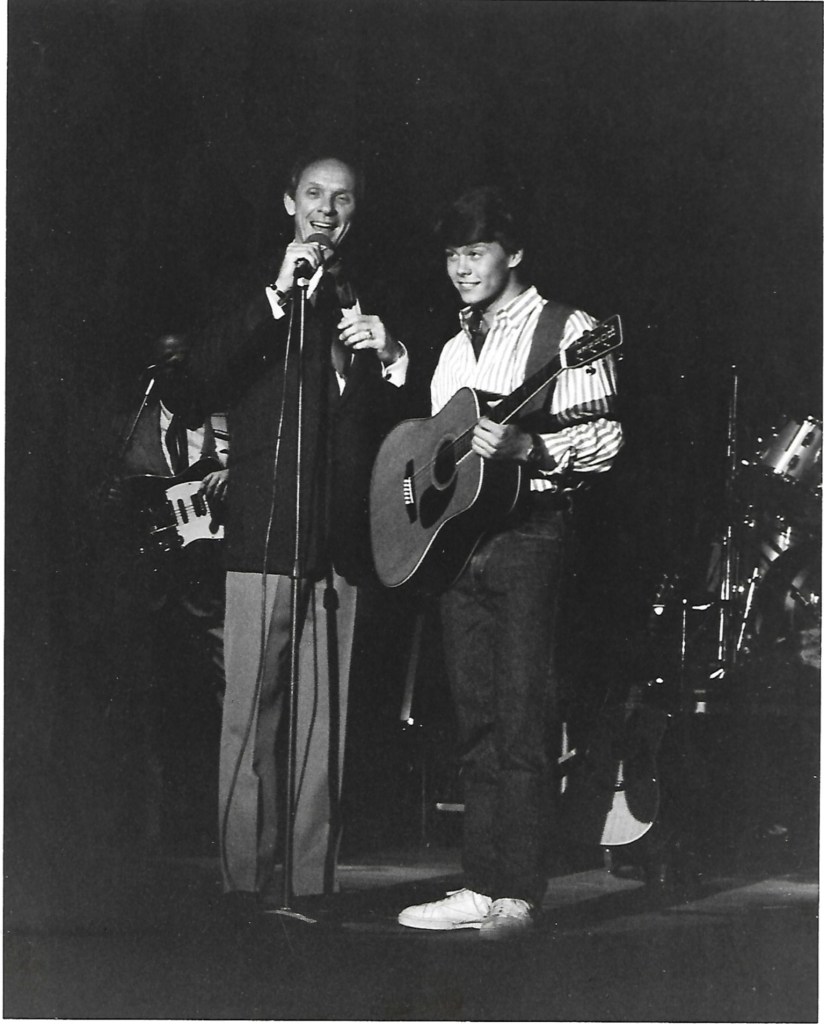
At just 15 years-old, Mowrey began opening shows for Tillis.
“Mel asked me to come out with him for 90 days. Three summers in a row, I played with Mel. We had concerts every night or every other night. It was amazing,” says Mowrey. “I was out there on the bus, and Mel became like a second father to me. He and the band took me under their wing.”
With Tillis in his corner, Mowrey soon began finding himself in rooms with heavy hitters in the music industry.
“Mel ran with a lot of record executives, so we were always brushing shoulders with folks. When I was 16, I got a chance to meet Jimmy Bowen, who was good friends with Mel and produced most of Mel’s hits in the 70s. The moment I heard Jimmy’s name, I thought of George Strait, because Jimmy had produced every single one of George’s albums that I was crazy about,” says Mowrey. “Jimmy and I tucked away in a little office on Music Row, and he asked me to play him a song. I played ‘Don’t Mind If I Do,’ which was a swing song on a George Strait album. He smiled and said ‘I’ll be talking to you.’”
Sure enough, Bowen kept his word.
“Six or eight months later, I came home from school, and the phone rang in my bedroom. It was Jimmy,” says Mowrey. “He said he couldn’t sign me until I was 18, but that he was at Capitol Records, and I had a record contract with Capitol as soon as I graduated, and that he’d produce an album with me. So for a year and a half, I knew I was going to be signed.”
As soon as the tassel on his graduation cap turned, Mowrey found himself co-producing his first major-label recording session with Bowen.
“Cutting those tracks was the most magical thing I’d seen in my life. We had legendary players, and being on the right side of Jimmy Bowen, doing it with him, was magic,” says Mowrey. “Jimmy said ‘this is your album, sit here with this thing and make it how you want to make it.’ I was there up to 16 hours a day. I hardly slept. I poured my heart into the album we made. It was an amazing experience.”
As Mowrey finished his album, Honky Tonk, Capitol Records sent “Honky Tonk Song,” a song that had previously been recorded by Webb Pierce, Mel Tillis and Conway Twitty, to country radio.
“I would drive from Nashville to Ocala through the night. When I would cross through Atlanta and come into Macon, there was always a good country station to tune in to,” says Mowrey. “At three in the morning, my song came on the radio. It was the coolest moment ever. I’d been on that highway, listening to the radio, for years, so hearing my song come on was amazing.”
With a single out at country radio and an album release on the way, Mowrey put together a band and hit the road.
“Once we wrapped up the album, I started hiring my band. Jimmy helped me get the band together, and we got a good group of guys together. We started practicing every night,” says Mowrey. “Right off the bat, I got booked at honky tonks and fairs all through Texas and Oklahoma. Mel gave me one of his tour busses. It was a lot of fun!”
On April 15, 1991, Capitol Records unveiled Mowrey’s album, Honky Tonk, and his second single, “Cowboys Don’t Cry.” Amidst a crowded label roster, Mowrey seemingly got lost, and the song peaked at number 65 on the country music charts.
“Capitol had 35 artists or so. Right when they signed me, Garth Brooks’ first single came out and ran off the planet. There were also a lot of label shakeups going on at the time. They were juggling so much that I don’t feel like I quite got the attention that I was hoping to get, especially after how much we put into the album,” says Mowrey. “They were really quick to want to move on to the next project. ‘Honky Tonk’ and ‘Cowboys Don’t Cry’ didn’t blow off the charts, but something was going on in the clubs with those songs that I don’t think the label recognized at the time.”
Though a bit disappointed by the lack of chart success, Mowrey was undeterred in his pursuit and belief in his musical dreams.
“I started doing music when I was a kid, and everything had led up to that piece of music I made for Capitol,” says Mowrey. “It was kind of a pause, but I didn’t think my career was over. It was natural to be disappointed, but I was going to keep fighting to make better music. It made us step back and see what the next move was.”
For Mowrey, the next move would be with a new record label.
“I love Jimmy Bowen. I’ll never say a cross word about him. When I wrapped up the second single, nothing was really happening. Jimmy said we should start looking for songs to start a new project. Jimmy said they had made gazillions of dollars with Garth, and that they would put some behind me and give me the push I needed,” says Mowrey. “I believed in Jimmy, but I didn’t quite believe in the label at that moment. At the same time, I watched Arista Records open up with Clive Davis and Tim DuBois. They signed nine artists in a row, and all nine had a top five or ten hit, with a lot of number ones. I thought, ‘holy crap, everything they touch is a gold bar!’ [laughs]. Somehow, my CD got into Tim’s hands. They showed interest in me, but I was on Capitol with a ten-album deal. There’s always an option period, but the legal department didn’t quite have my legal papers for my option. I knew they’d messed it up. Tim said if I got out of the Capitol deal, he’d sign me on the spot. I left Capitol on a legality and signed with Arista. That was a bold move for an 18 year-old!”
Mowrey entered the studio with a new production team to record his first project for Arista Records.
“Tim DuBois asked if he could produce me with Mike Clute, who was producing Diamond Rio. I said, ‘you guys tell me whatever you want me to do, and I’ll do it!” Mowrey says with a laugh. “They had the recipe; I knew they’d make some great music. It was cool seeing a different style and different types of musicians and recording. I was proud to have them leading my team.”
For the first time, Mowrey was able to record music videos for each of the singles on his sophomore, self-titled album.
“I was nervous as I could be filming those videos! I had a lot of TV experience, but I knew CMT was becoming such a great tool in the business. I was excited to have the video for ‘Maybe You Were the One,” says Mowrey. “Those videos were great for me. I always got high rotation on CMT. When I went out touring, people knew me. They gave me a lot of great exposure.”
With the album’s release on June 8, 1993, Mowrey hit the road in support.
“I signed with William Morris Agency. I put a new band together, and they booked a lot of radio and club shows. Through that, we’d piggyback with other aritsts. I’d be with Neal McCoy and Tracy Lawrence, and then the next day, I’d be solo in a club. We had a great tour!” says Mowrey. “I was also playing in Walmarts. I’d get in the aisles, next to my CDs, and start playing music. It was a lot of fun!”
Three singles were released from the album, each of which stalling on the charts by the mid-50s, before Mowrey began work on a second Arista project, which led to some friction with the label.
“We had some good success. I didn’t hit the radio marks they wanted to hit, but it sold well. Tim DuBois said that I was selling as well as any artist on the label in the areas that were playing my music,” says Mowrey. “We started that second project, and going into it, we had some creative differences with finding a producer and the direction. I come from hardcore country music. At that point, I was listening to guys like Clay Walker and Clint Black on the radio, who were making stone country stuff. I was a little frustrated that I wasn’t part of that clan.”
Frustrated with the music they began to record for his second project for the label, Mowrey and Arista decided to part ways.
“We worked on some music,” says Mowrey. “It was okay, but I wasn’t really happy with the producer. We ended up calling the relationship, and I stepped away from Music Row to take a breath.”
Without a label home, Mowrey decided to take a beat away from music.
“Once I stepped away and got out of the spotlight for a minute, I wanted to take a break. I didn’t think it would be a permanent break, but I’d been performing and in the spotlight for a long time,” says Mowrey. “I didn’t know anything other than the music business. I was on the edge of stardom for a long time, but didn’t quite get there. It was a lot to go through.”
Rumors of Mowrey’s country music comeback have been swirling for nearly two decades. Now, he’s ready to get the wheels rolling again.
“I came back to Florida and got in the construction business and all kinds of ventures,” says Mowrey. “Music has always been in my heart; tapping me on the shoulder. About seven or eight years ago, all of a sudden, I started writing. As I got two or three songs, it felt like something I shouldn’t keep to myself. I wanted to share them.”
Before they passed, Mowrey vowed to his parents that his music would be shared again.
“About six years ago, I started taking care of my mom and dad. They were as big a part of my music and journey as anyone. They knew I was writing again. My dad heard what I was doing, and he knew that something was sparking,” says Mowrey. “I made some promises to my parents that I’d let this music be heard. I’ve made up my mind that I’m going to record the music. I don’t have the details and I don’t know how it’s going to work out, but there’s music on the horizon.”
Mowrey promises an evolved, but not unfamiliar sound on the soon-to-be recorded songs.
“They’re their own thing. It’s country; there’s nothing not country about it. It doesn’t sound like what’s on the radio today,” says Mowrey. “It’s a different version of me. It sounds modern and good. I can’t wait to get the drums and guitars on it and do some sessions!”
As he works on new music, Mowrey is proud of the two albums he made in the 90s, as well.
“I used to go long periods of not listening to them very much. When you asked me about doing an interview about 35 years of Honky Tonk, I listened to the CDs, got my guitar out and played through some of the songs,” says Mowrey. “When I fired it up, I like the sound of it better now, strangely. I was listening to ‘The Rest of Forever’ performance that I did on Hee Haw, and I liked it better. I think they stand up!”
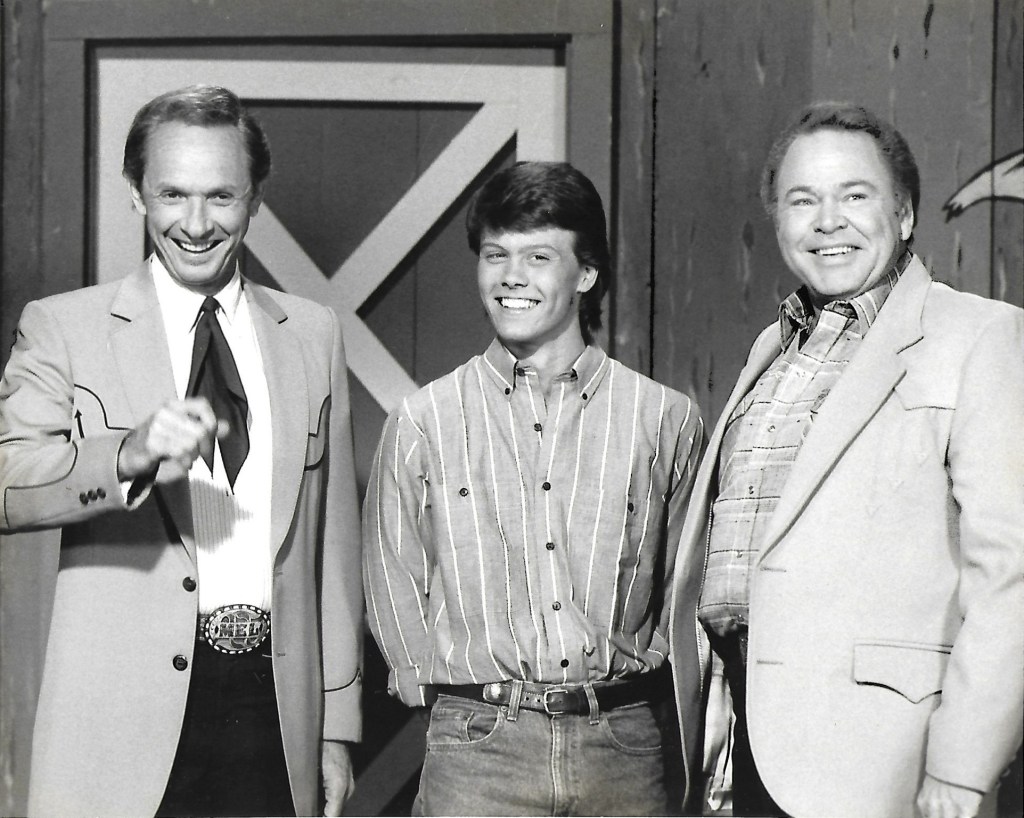
Even 35 years after its release, Mowrey’s fans think Honky Tonk stands up, too.
“It’s unbelievable. I kind of assumed that the album was in the past, because it had been so many years. I couldn’t imagine the interest still being there,” says Mowrey. “I started messing around on the internet, and all of a sudden, hundreds of people started telling me stories about Honky Tonk. There were a lot of stories about ‘The Rest of Forever,’ which is my favorite song on the album. People tell me they still have the CD in their old cars! I’m honored and flattered. I felt a little cheated back when it all went down, but now I’m hearing that those songs mattered to people and made some memories. It’s a great thing.”
Mowrey is excited to see if the music still stands up on stage, as well.
“I did a small concert in Daytona five or six years ago. The last real concert I did was at the Orange Blossom Opry in Weirsdale, Florida, 20 years ago,” says Mowrey. “Getting back on stage is tugging at my heart. It’s scary, but it’s exciting! I’m pretty set on giving it a whirl!”
Though there’s no definitive timelines just yet, Mowrey is set on a comeback, all the while, feeling proud about what he accomplished in his first musical chapter.
“The only thing I can say for sure is that I’m going to cut this music that I’ve written and put it out. That will probably be by the end of next year. In between that, I want to get back on stage, even if it’s in clubs or just a few dates here and there,” says Mowrey. “I’m blessed. As far as I’m concerned, I was the luckiest guy in the world to have experienced everything I did.”


Leave a Reply