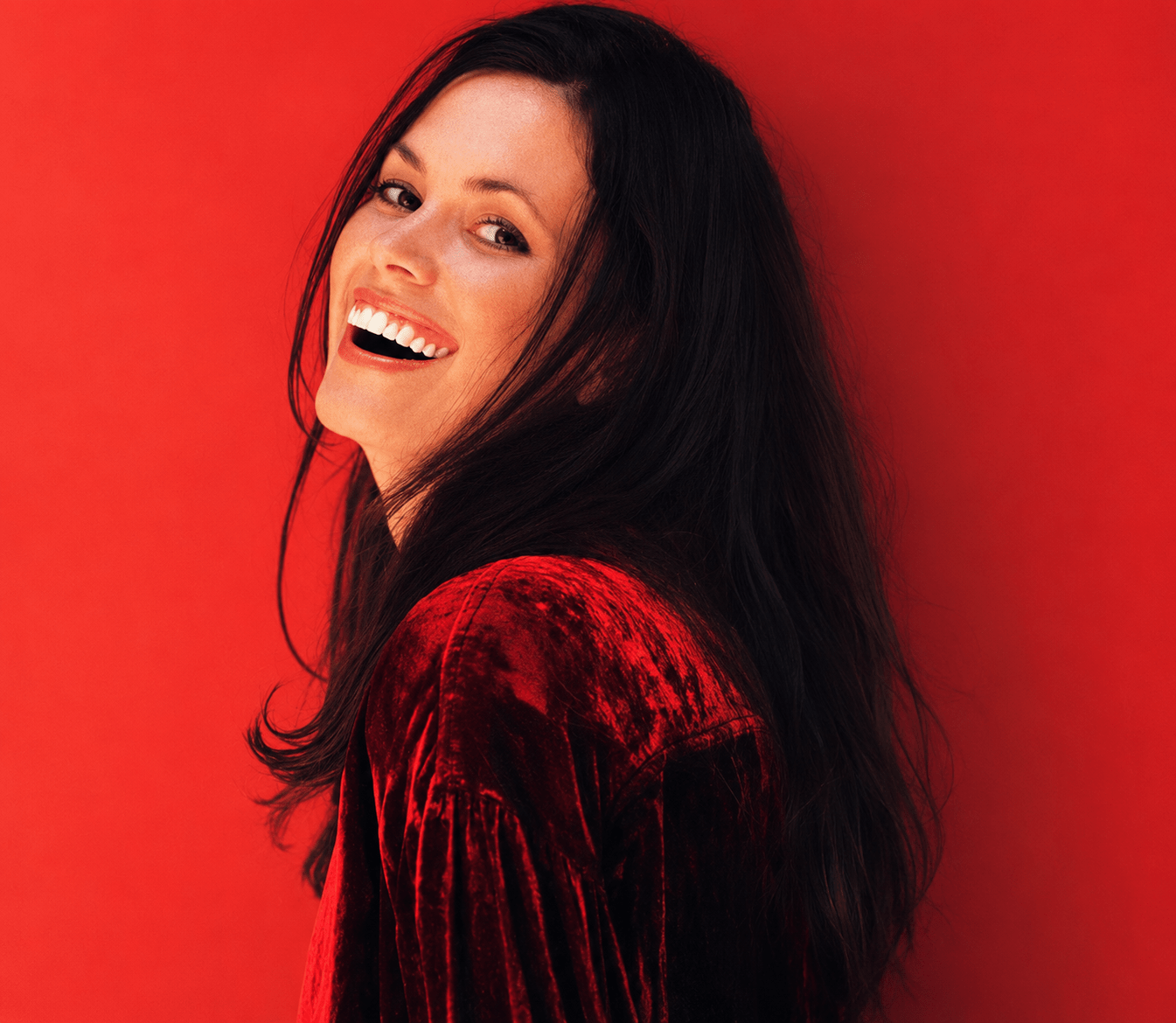
Those who remember the career of Noah Kelley may remember it like a firework: as quickly as she arrived with her debut single, the infectiously catchy “Take It All Out On You,” she had seemingly disappeared. There was no album released, and save for a cut on a Mark Chesnutt album in the late 2000s, her name never appeared on a recording again.
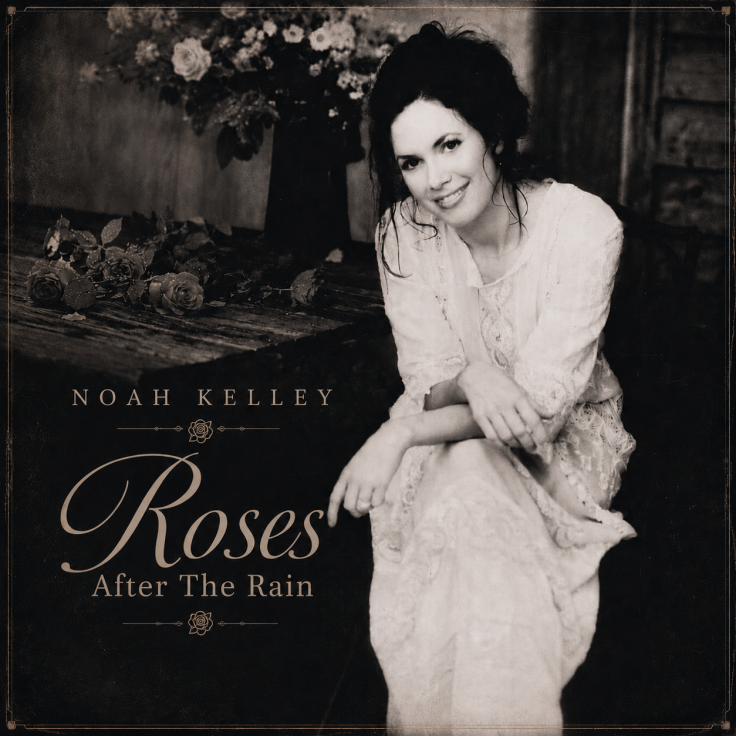
But those who were lucky enough to hear her single on country radio or find a promotional copy online of her never-released album, Roses After The Rain, may be left wondering what happened to Kelley’s budding career that seemed destined to take off.
From a young age, Kelley began drawing influence from the music she heard her father playing.
“Emmylou Harris was my favorite. My dad had some of her albums, and I started playing them. I loved her songs and the way she wrote them: they were so honest and from the heart. I was in my pre-teens, and she was a huge influence,” says Kelley. “I loved George Strait, Jon Conlee, Vern Gosdin and Merle Haggard, too. Moving forward, Patty Loveless was a big influence, as well.”
Kelley wasn’t just listening to music, though. Not long after she could talk, her mother told her she’d be a singer, and soon placed her in music lessons.
“When I was born, my mom would tell people that I was going to be famous one day, so I had to live up to that, somehow!” Kelley says with a laugh. “When she heard me sing, around five years-old, she thought that was it. She put me in piano lessons around that time, and then guitar lessons around 13.”
She used those tools to begin writing songs.
“I started writing music around 10 years-old. I would sit at my piano and write songs,” says Kelley. “Lyrics came whenever I got the influence, at the time. I remember when Elvis passed away, I wrote a song about it.”
Though she was enjoying music at the time, Kelley admits that she initially saw her life taking a different path.
“To be honest, music wasn’t my first desire. My dad is a CPA. When I graduated high school, I went to the University of Texas at San Antonio,” says Kelley. “I didn’t do so well!”
As she entered her 20s, she decided to try her hand at music.
“Over the years, my mom had kept pushing music on me,” says Kelley. “By the time I was 21, she asked me when I was going to pursue my music career. I thought ‘now is the best time.’”
Kelley packed her belongings and headed for the west coast.
“I saved up the money, and decided to go to LA. One of my friends had family members that lived in the Valley, and they agreed to let me stay there until I found my own place. I had my U-Haul, and a sky blue convertible Bug that I was refurbishing. On August 9, 1990, my mom dropped me off,” says Kelley. “I’d only been out of Texas one time, so it was a culture shock for me.”
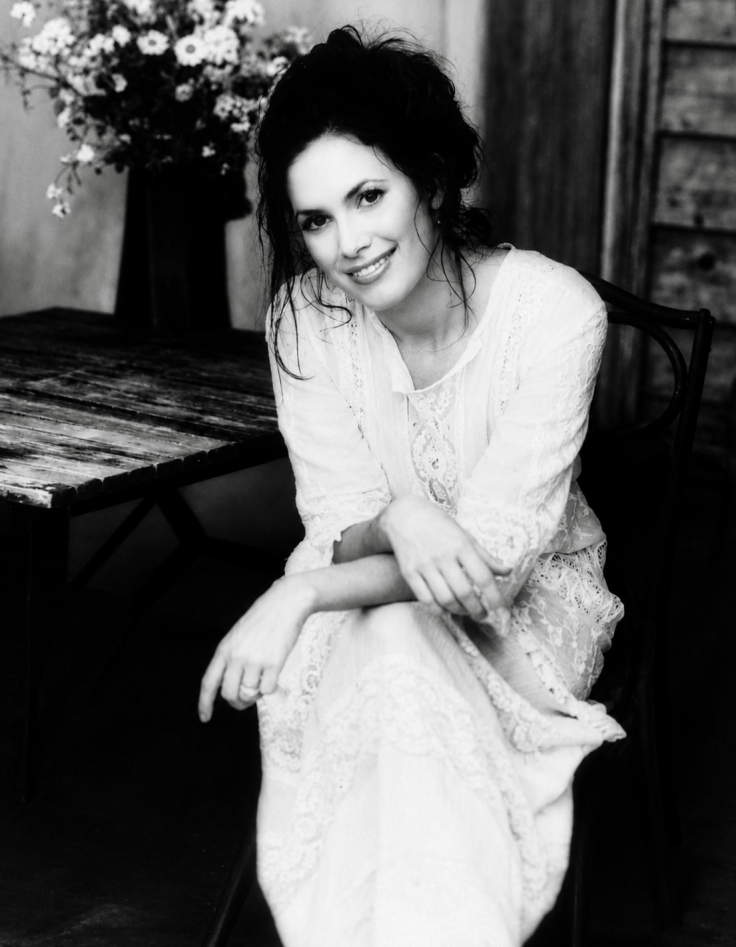
Soon after arriving in California, Noah Kelley, born Vanna Kelley, adopted her new name.
“At the time, Vanna White was prominent on Wheel of Fortune. In 1991, I legally changed my name to Noah. I wanted to differentiate myself,” says Kelley. “When I was waiting tables, everybody would say, ‘”Vanna, can I buy a vowel?! [laughs].”
For three years, Kelley was based in California and found work in the industry.
“I sang demos for various songwriters. It was pop music that they wanted me to ‘country up,’” says Kelley. “I also sang at various coffee shops, too. It wasn’t really my thing, though. I knew I needed to go to Nashville.”
Once in Music City, Kelley took several jobs in the music industry.
“I arrived in Nashville in 1993. I would go to The Bluebird and listen to the songwriters, which is where I met Don Schlitz. I put a bunch of demos together. He listened to it, and that helped me get into singing demos for various songwriters,” says Kelley. “I ended up at Decca Records as an assistant to Mark Wright. Then, I ended up going to EMI Music Publishing as a creative assistant. I was answering phones and helping to pull songs together.”
It wasn’t long before the staff at EMI took notice.
“Somehow or another, Gary Overton, the GM of EMI at the time, got wind of some of the songs I’d written. He called me into his office. I was scared, because I thought I did something wrong,” says Kelley. “He said he’d been listening to my demos and asked if I had any more. I told him I sure did! He ended up signing me as a singer/songwriter to EMI.”
Being a staff songwriter proved to be a challenge, though.
“It was exciting at first, but then it became a real job. You’re literally in a songwriting room from 9 to 5 with various other songwriters. It was a challenge, because I was so used to writing by myself,” says Kelley. “Honestly, I felt like I lost the drive, in a sense, because there was a quota that had to be met. It wasn’t just writing for the passion of writing. It became work, rather than a hobby that I enjoyed.”
Kelley soon found herself doing a showcase for Asylum Records and label president, Kyle Lehning [Randy Travis, George Jones, Dan Seals’].
“Gary Overton arranged the showcase. I remember singing ‘The Healin’ Begins.’ I do a falsetto thing where I switch from my chest voice to my head voice. I remember Kyle Lehning asking me to sing it in my chest voice, instead of switching to falsetto. I did, and that showed them that I had range in my voice. They were very impressed.”
The label was so impressed that, by the end of the showcase, Kelley had earned a record deal.
“They signed me that afternoon!” says Kelley. “I was extra excited, because Emmylou Harris was also on Asylum Records. My mentor was there!”
When the ink dried, Kelley entered the studio with producers Lehning and Frank Rogers [Brad Paisley, Josh Turner, Phil Vassar].
“They pushed me beyond what I thought I could do. I never considered myself a singer, per se. Being in the realms of, at the time, Faith Hill and Martina McBride; I thought I could never do what they do,” says Kelley. “Kyle and Frank let me be me, but they pushed me to be authentic, instead of trying to be somebody else. They encouraged me to find my own voice. They really helped me become who I was as a vocalist.”
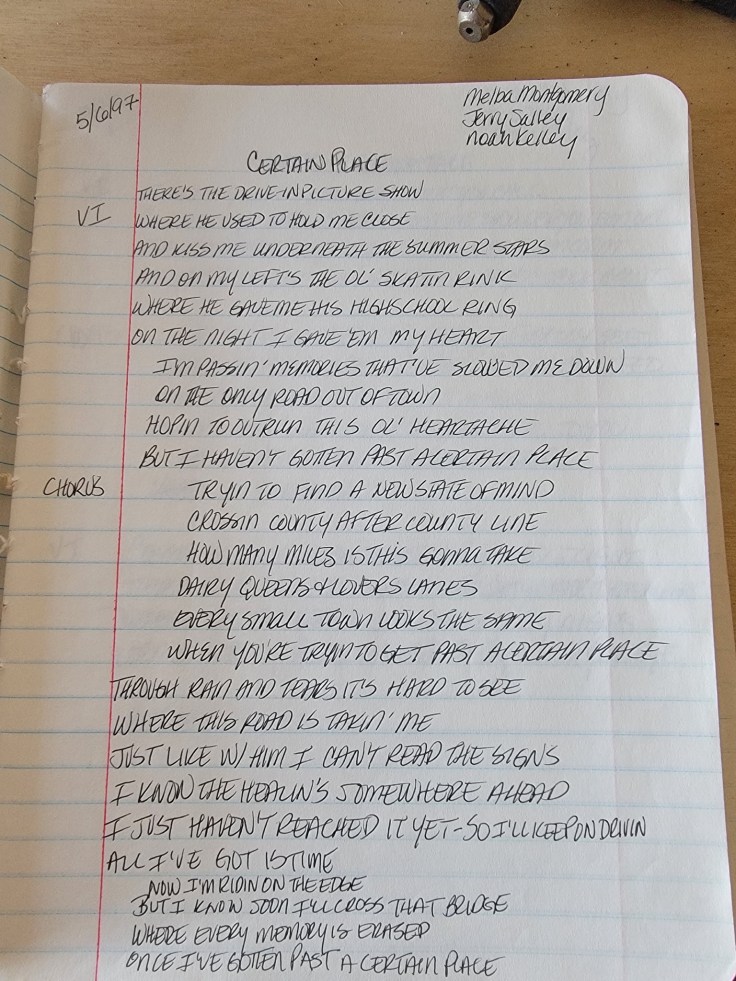
As she was writing the album, Kelley had the opportunity to write two songs, “The Healin’ Begins” and “A Certain Place,” with country music legend, Melba Montgomery.
“It was incredible. I was very intimidated when I first started writing with Melba. She pushed me and helped me get outside of my box,” says Kelley. “’A Certain Place’ is a true story. I had broken up with a boyfriend (who I’m now married to!) when I was in LA. I never got over him. I came into the writing room with ‘For some reason, I just can’t get past this certain place in my feelings.’ She looked at me and said ‘That’s it!’”
As the team finished Kelley’s debut album, Roses After the Rain, Asylum Records sent Kelley’s first single, “Take It All Out On You,” to country radio.
“Back in the day, on the radio, they would play a new release, and you’d go up against another artist. I was going up against Shania Twain! They played the songs, back-to-back, and people would call in and vote for their favorite. I forget which Shania song it was, but sure enough, I won that day!” says Kelley. “I was so excited to hear it on the radio. I thought ‘wow, you did it!’”
Kelley was finding success on the road, as well.
“I was on a tour bus with my band,” says Kelley. “I opened shows for George Strait and Reba. It was a lot of fun!”
As the wheels were in motion, “Take It All Out On You” entered the top 50 and an album release date of September 22, 1998 was set, Kelley made the difficult, personal decision to step away from her recording career, thus leaving Roses After The Rain unreleased.
“I loved my album. It didn’t come out because I quit,” says Kelley. “Asylum was all behind the record. They loved what I was doing. Unfortunately, they weren’t very happy with me. It wasn’t a good departure from them.”
With her artist career set to the side, for a short time, Kelley continued writing songs for EMI.
“I stayed on with EMI and just wrote songs,” says Kelley. “I’d turn in the songs, but I wasn’t heavily driven to fulfil the songwriting end of the deal.”
From there, Kelley decided to pursue a new career path.
“In 2001, Frank Rogers told me I should come back to Nashville and pick up where I left off. I needed to start something new, though. He told me the door was always open, and I thanked him,” says Kelley. “I went back to school and got my accounting degree, like I always thought I might. Now, I’m a CPA!”
In the last two and a half decades, Kelley, now Vanna Catterson, has had great success as a CPA.
“I went back to San Antonio in 2001 and graduated with my Masters in Accounting in three years. I went to work for Ernst & Young, which is one of the big four, for two years. I was part of the team with the merger of AT&T and Southwestern Bell,” says Catterson. “I was working 80 hours a week and pregnant with my first child, Grace. My dad asked me if I was ready to become partners with him, and we formed a company called Kelley, Catterson & Company.”
As Catterson’s business accomplishments kept growing, her family did, as well.
“I got re-married to my then-husband, Chris, and we had Grace and Cameron. Chris and I are still great friends,” says Catterson. “Now, I’m married to my husband, Jeff. I had a big crush on him in high school! We were both divorced, and we hooked back up on Facebook. We got married February 14th of last year. He has three kids, who are all grown, and we’re one big, happy family!”
And though her music career is behind her, Catterson still makes time to listen to the music she made almost three decades ago.
“I still listen to the album, and other stuff that I wrote that never made the album, too,” says Catterson. “I listen, and I’m proud of myself. I got to a certain place. A lot of people have the passion, but never get to that point. I was in the right place at the right time.”
As she’s lived three decades of life since recording her album, it’s been nearly a decade since she wrote a song.
“I did some writing ten years ago, but nothing ever came from it. I have so many songs to write, just because of my life. It’s all about finding the time,” says Catterson. “I still have my beautiful Taylor guitar. She’s sitting there on the wall, looking at me all the time, asking when I’m going to play her again. I think the reason I don’t is that I’m afraid I’m going to love it too much.”
With the door open to writing songs again, Catterson moves forward thankful for the journey she’s had.
“I have no regrets. I’ve had so many different chapters in my life,” says Catterson. “It’s been an experience, and it’s made me who I am now.”


Leave a comment