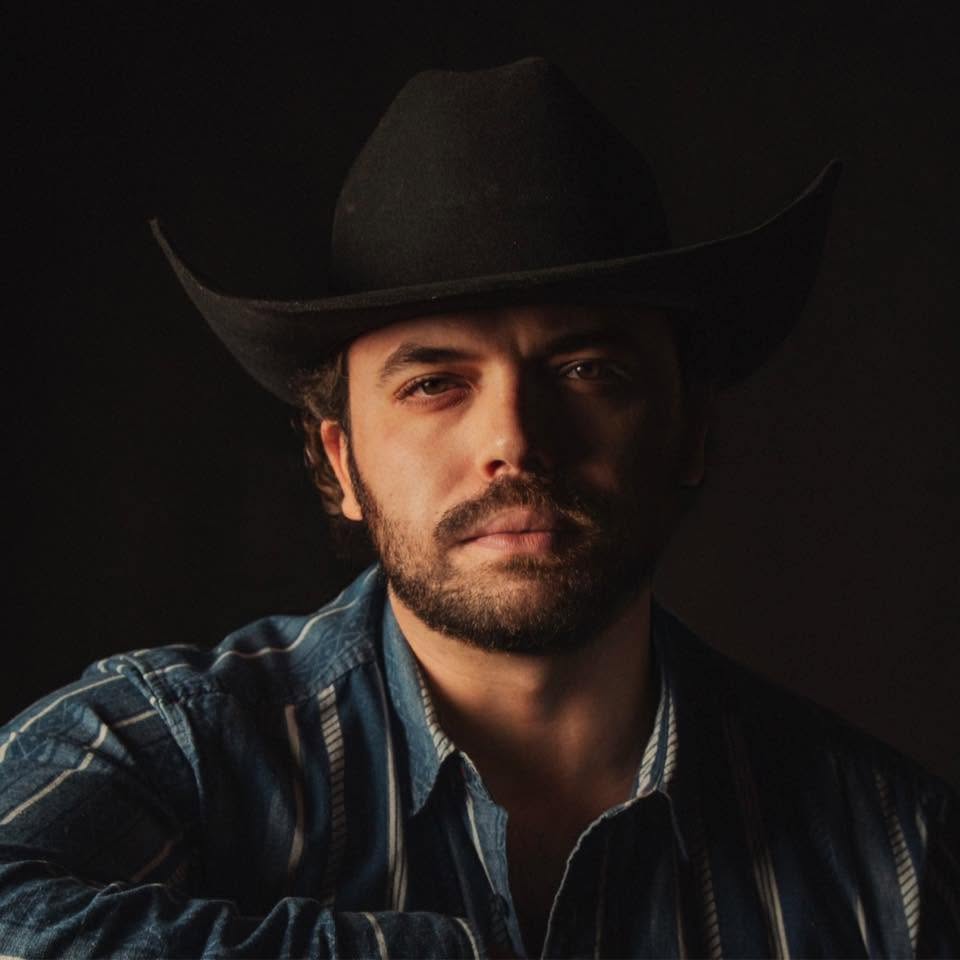
For nearly as long as he can remember, James Tamelcoff has had his hands on a guitar. Even before his hands were big enough to make chords, the Virginia native was working on his craft.
As he entered high school, a one-off Johnny Cash tribute show ended in years of paying homage to The Man in Black around the country. As Covid set in, though, Tamelcoff knew it was time to go solo, and within a few years, he unveiled “Love On A Two Lane,” a fantastic, story-driven tune that puts his rich baritone on display.
After adding two more single releases to his catalog, Tamelcoff is set to release his debut album, Where Does Love Go, this Friday. We chatted with him all about it, his classic country influences, getting tour dates on the books and more!
Pro Country: Your bio mentions drawing influence from classic country greats like George Strait, Keith Whitley and Brooks & Dunn? What was it about those artists, and the traditional country sound, that struck a chord with you?
James Tamelcoff: The first part was the sound itself. When you hear a George Strait or Keith Whitley song come on the radio, or you hear Ronnie Dunn’s voice, there’s no doubt who you’re listening to. They all fall under the same umbrella of what we call “classic country,” but they’re all so unique in their own right. The songwriting and the delivery paints a picture. When I’m listening to a song, if I can visualize what they’re singing about, to me, that makes a great song. That made me fall in love with those artists and their songs. They never get old.
PC: You mentioned in a previous interview that you had a guitar in your hand at an early age, and started taking lessons around seven years old. What was it about guitar that connected with you, and how quickly did you take to it?
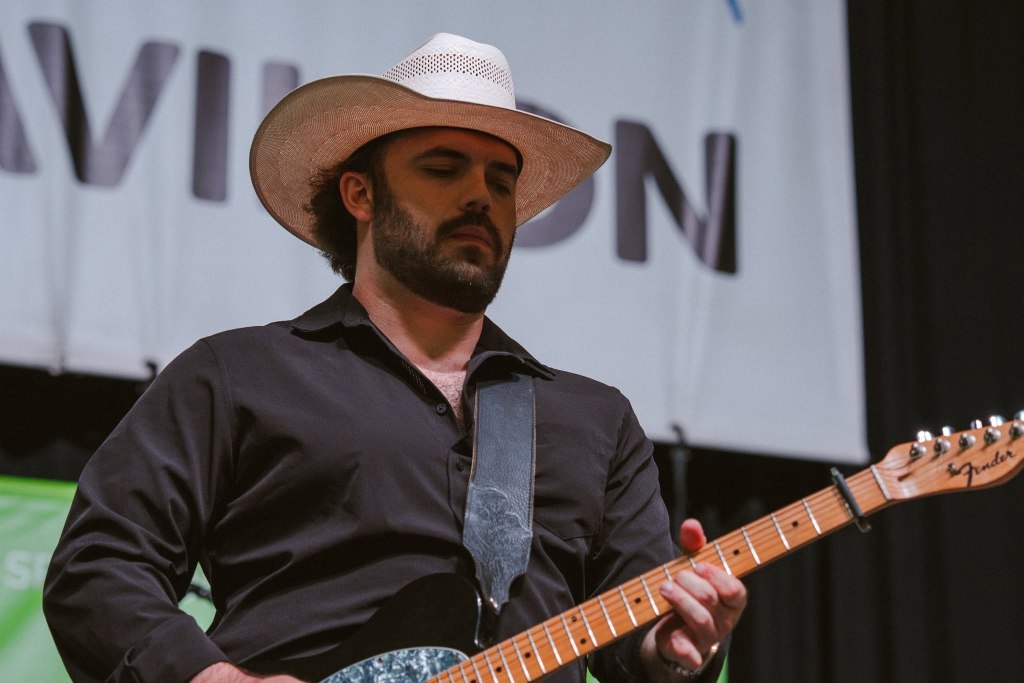
JT: My dad had a guitar around the house all the time, so I saw it every day. It was hard for me to make chord shapes because I was so young with small hands playing a big guitar, but I did it every day for six to eight hours a day. It got to the point where I was able to know my way around the neck. That was the biggest part of it: knowing where the notes are and knowing how to improvise. That helped me play with other musicians and to play songs that I wasn’t familiar with from an early age.
PC: In that same interview, you mentioned an initial hesitancy to sing, and that you didn’t start taking singing seriously for nearly a decade. What drew you towards singing and understanding that you needed to do that?
JT: I always wanted to be a lead guitar player in a band. I wanted to play cool solos and play cool guitars. Once I got older and discovered more music and the real meaning behind that music, I saw that the artists really did live their stories. When it came time for me to start writing songs, I knew I’d have to sing. It was tough, because I was scattered across many different genres early on. I was playing some rockabilly stuff, Johnny Cash, outlaw stuff like Waylon, Merle and Johnny, and then I started to love the 90s stuff. I was so torn between all of those genres, and I needed to find out who I was going to be. Finding out which lane I was going to go in was the biggest thing I had to figure out.
PC: You mentioned starting to write songs. When did you start writing songs and what were you writing during that time?
JT: It was the stereotypical thing of falling in love with a girl and wanting to write a song about her. Then, you break up and you want to write about the breakup [laughs]. As I progressed through life and had more experiences, good and bad, that’s when I started developing my writing style. Songs came to me when it was appropriate to start writing them.
PC: You began touring with a Johnny Cash tribute band early in your high school years, and found great success with it. How crucial was that early stage experience for you?
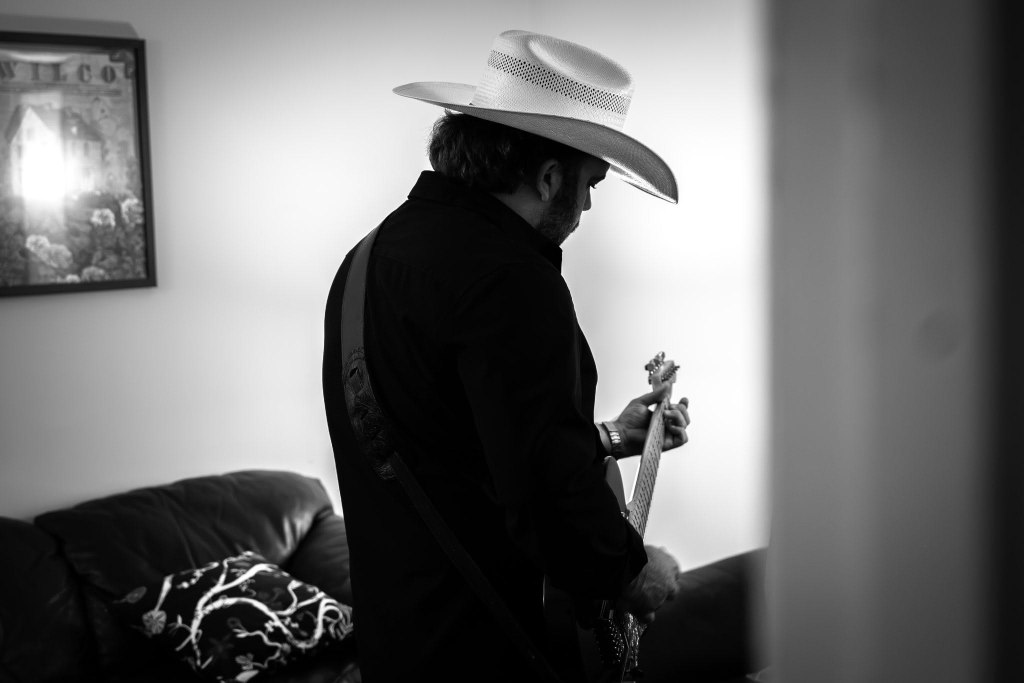
JT: It was really important. It put me right into the fire of touring. We put the show together around the early stages of Johnny’s career, all the way through the end with “Hurt.” It put me in a spot where I had to understand stage presence and understand how to talk to an audience. Not just in a brewery or in a bar, on a real stage under big lights in front of hundreds or thousands of people. It also taught me how to handle criticism. 99% of the time, people were positive, but there’s always the 1%. I’d be on Facebook and someone would say something bad about the show. I used to get backlash because people wanted me to say “Hello, I’m Johnny Cash” at the start of the show like he did, but I didn’t believe in that because I’m not Johnny Cash. I didn’t do that show because I was trying to be someone I wasn’t. It was supposed to be a one-off at a local Theater in Culpepper, Virginia. People loved it so much that I started reaching out to other venues. It was never about trying to be Johnny Cash, it was more about keeping the music alive and showcasing his music, from start to finish. Luckily, it took me around the country to a lot of venues I wouldn’t have gotten to that early in my career.
PC: Though you’d had that long musical journey to that point, when did you realize that you wanted to, and feasibly could, pursue music as a career?
JT: Probably coming out of high school. I was doing sports in high school: track, football, cross country, and a little bit of basketball. I had the idea that I was going to play football and/or run track in college at a University in Virginia.
When I was 16 years-old, I wasn’t thinking about being an artist and getting in the studio. I was just thinking about putting together a good band and playing covers that I felt fit my style and trying to build a fanbase. I thought I could make money and get my name out there so I could play in all kinds of places. I wanted to open every door I could.
I gave up sports in 10th grade, and once I graduated high school, it was time to get going. That’s when the Johnny Cash thing started taking off. I started thinking about what I was going to do after that, because I didn’t want to be Johnny Cash for my whole life [laughs].
Once Covid hit and everything stopped, it really allowed me to analyze everything. That’s when I decided it was time to put more emphasis into who I was as an artist.
PC: Can you talk about the leadup to your debut release, “Love On A Two Lane”?
JT: I was in a pretty long relationship, and during that, some things started happening for me, musically, that weren’t happening before. I was getting opportunities that I would put off, because when you’re with somebody you care about, you put them first. We broke up, and after that happened, I woke up one day and realized I needed to take the leap and put myself in the best position to succeed with my own music. I knew I needed to get in some writing rooms and I needed to get in the studio to get my songs recorded.
That morning, I said “today’s the day.” I called a guy I’d been talking to about making a record, and he told me to let him know when I was on my way. The next day, I packed a bag and went to Nashville. Two months later, we put “Love On A Two Lane” out.
PC: Why did you feel that “Love On A Two Lane” was the right song to introduced yourself?
JT: I think it captures the storytelling aspect of what I love about country music. It also captures a wide audience; it talks about being kids, growing up, getting married and getting old. It had a small town, country love song feeling. It was a good, well-rounded song to launch myself as an artist.
PC: You posted the moment you heard “Love On A Two Lane” on the radio for the first time last year. Can you talk about what that moment meant to you?
JT: It was crazy. I’m getting the chills thinking about it. Everybody has listened to the radio and heard their favorite songs. I always thought it would be cool to hear myself on the radio someday. There’s not really words to describe it. That will never be replicated.
PC: You went on a radio tour for your sophomore single, “Cowgirl At Heart.” How cool has it been to see so many different places, see so many different people and hit the road in support of the song?
JT: It was unbelievable. A lot of times, you go out for a week, and you’ll hit a different state every day. Sometimes, even multiple states in a day. It’s incredible that the love of country music is such a consistent thing. Whether you’re in Chicago or Hampton, Iowa, the mutual love for real country is there.
PC: You released the music video for “Cowgirl At Heart” a few months ago. How much fun was filming the video and bringing the song to life that way?
JT: It was really cool. It was a lot of work. We self-produced it. I always wanted to make a music video. I got some insight from some other guys who had done it. I put the idea and the storyline together, which was the easy part. It was a matter of finding the locations to film and making it all come together in a live, open setting. People were coming through and having their own night out, so we had to work around that. It was a lot of work, and a lot to think about leading into it, but once we got started, it really came together. I’m really happy with how it turned out.
PC: A few weeks ago, you released your newest single, “I Won’t,” which you co-wrote with Drake Milligan and Chris Utley. Can you take us in the room and talk about how the song came together?
JT: That song was written during that breakup. I was sitting on the emotions of it and missing that girl. I try to put out songs that everyone can relate to, and “I Won’t” is one that everyone can relate to, because we’ve all had the feeling of missing someone and not being able to get over them.
PC: Your debut album, Where Does Love Go, is set to release Friday. What information can you give about what people can expect to hear on the album?
JT: The title track fell into my lap. The song was written by Jarrett Hartness, Justin Dukes and Mo Pitney. I’m very lucky to have the song. It goes through the storyline of being in love and losing it.
We have some sad stuff on the record, a couple drinking songs, a couple love songs, and one cover! It’s an unexpected cover, but I’m excited for the world to hear it.
PC: There are a lot of really talented musicians that played on Where Does Love Go. What was it like to be in the studio and to collaborate with so many high-level musicians.
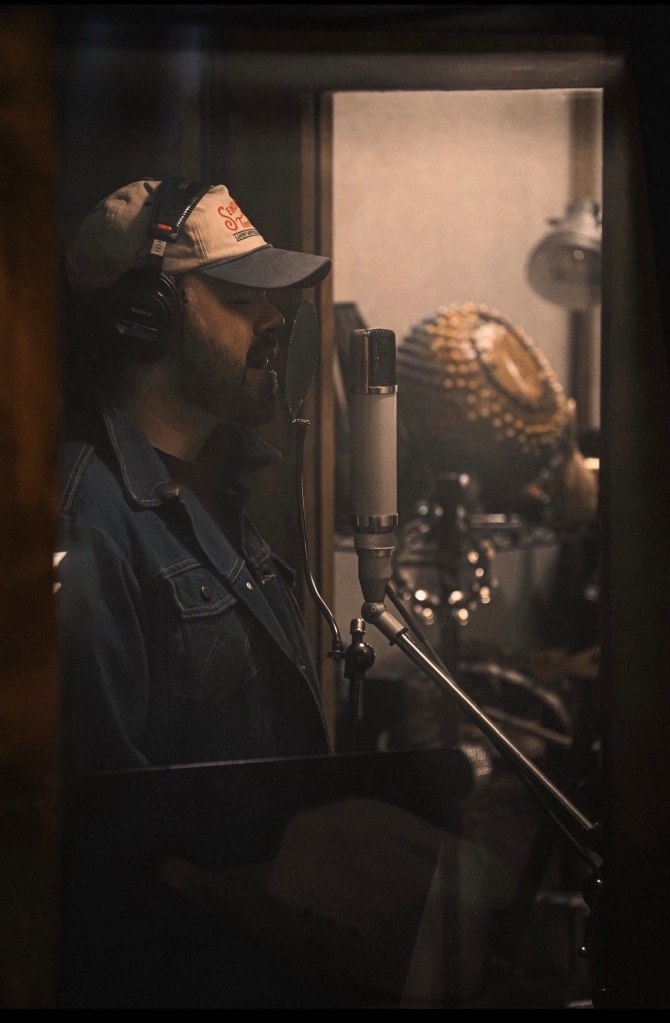
JT: It’s incredible to watch a song come to life. Watching those guys just look at a sheet of paper or listen to a demo once and play a song that sounds like a hit every time was cool. Those session guys play hundreds of songs per week, and it sounds fresh every time. Knowing the magnitude of songs that those guys have played on, and seeing them happy about playing on songs I brought to the table, was pretty awesome.
PC: With Where Does Love Go releasing this week, what else do you have planned for the rest of 2026?
JT: It’s going to be a crazy year. I have a lot of tour dates in the works. I have some festivals coming up, too. I’ll be out on the road promoting this record and getting as many people familiar with this music as I can.


Leave a Reply